Discover the top 12 software engineering books for developers in 2026 to enhance your coding skills and advance your career.
Looking to level up your coding skills? Here are the top 12 software engineering books to read in 2024:
- Clean Code by Robert C. Martin
- Design Patterns by Gang of Four
- The Pragmatic Programmer by Andrew Hunt and David Thomas
- Code Complete by Steve McConnell
- Refactoring by Martin Fowler
- Introduction to Algorithms by Thomas H. Cormen et al.
- The Clean Coder by Robert C. Martin
- Domain-Driven Design by Eric Evans
- Continuous Delivery by Jez Humble and David Farley
- Building Microservices by Sam Newman
- Designing Data-Intensive Applications by Martin Kleppmann
- Cracking the Coding Interview by Gayle Laakmann McDowell
These books cover essential topics like clean coding, design patterns, algorithms, software architecture, and interview prep. Reading them will help you write better code, design robust systems, and advance your career.
Book
Focus
Best For
Clean Code
Code quality
All developers
Design Patterns
OOP design
Experienced devs
Pragmatic Programmer
Career development
All levels
Code Complete
Software construction
Intermediate+
Refactoring
Code improvement
All levels
Intro to Algorithms
Algorithms & data structures
CS students/interviews
Clean Coder
Professionalism
All developers
Domain-Driven Design
Software architecture
Experienced devs
Continuous Delivery
DevOps/SRE
Building Microservices
Distributed systems
Architects/senior devs
Data-Intensive Apps
Big data systems
Data engineers
Cracking Coding Interview
Interview prep
Job seekers
A note on this list for 2026
These 12 books have been recommended consistently by the daily.dev community for good reason — most are genuinely timeless. Two things are worth flagging for 2026 readers: the 'Building Microservices' entry in this list references the first edition, but the second edition (2021) differs meaningfully in its treatment of service mesh, Kubernetes-native deployments, and team topologies. Separately, with AI-assisted coding now a daily reality for most developers, the craftsmanship focus of Clean Code and The Pragmatic Programmer has become more relevant, not less.
Related video from YouTube
1. Clean Code: A Handbook of Agile Software Craftsmanship
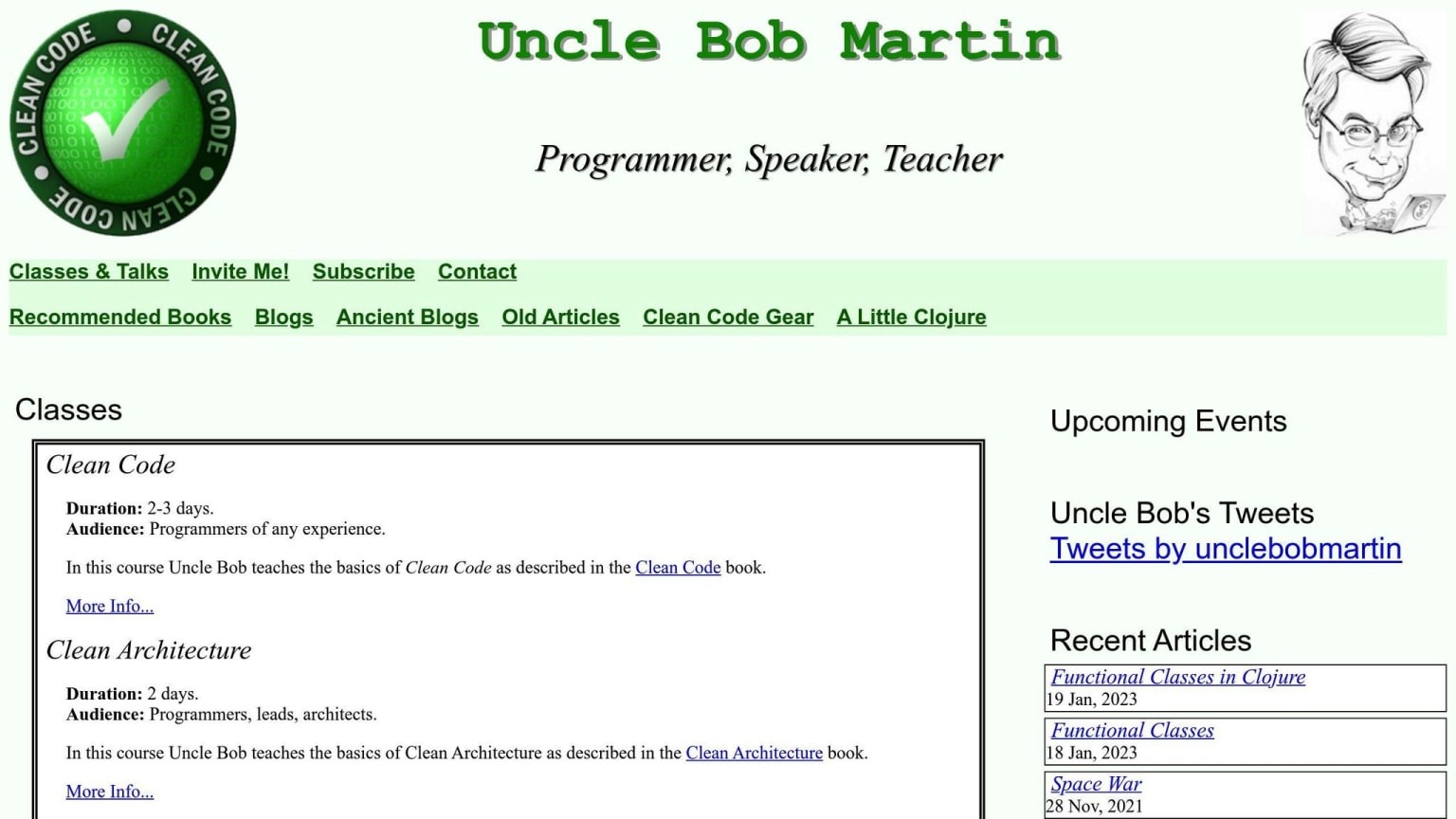
"Clean Code" teaches you to write code that's easy to read and maintain. Key takeaways:
- Write for humans, not just computers
- Use clear, descriptive names
- Keep functions small and focused
- Follow the "Boy Scout Rule" - leave code cleaner than you found it
- Write tests before code
"Any fool can write code that a computer can understand. Good programmers write code that humans can understand." - Martin Fowler
The book emphasizes that clean code is about craftsmanship, not just getting things to work.
2. Design Patterns: Elements of Reusable Object-Oriented Software
This classic book introduces 23 design patterns for solving common software design problems. It provides:
- A toolkit for tackling recurring issues
- Ways to create more flexible, reusable designs
- A shared vocabulary for discussing complex concepts
The book covers three types of patterns:
Pattern Type
Examples
Purpose
Creational
Singleton, Factory
Control object creation
Structural
Adapter, Facade
Handle object composition
Behavioral
Observer, Strategy
Define object interactions
Remember, patterns are tools, not rules. Use them thoughtfully to solve real problems.
3. The Pragmatic Programmer: Your Journey to Mastery
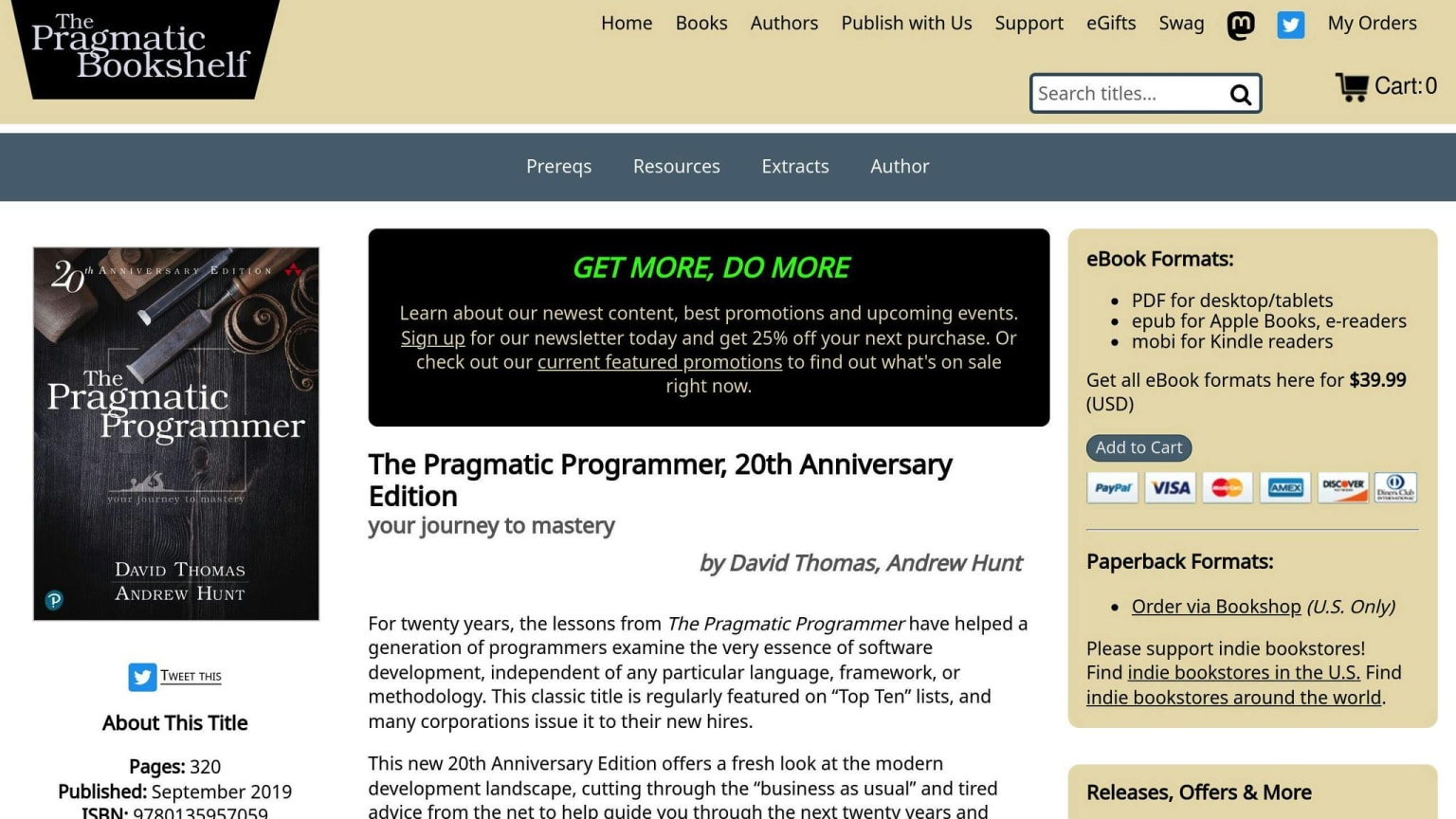
This book goes beyond coding techniques, offering advice on becoming a better all-around software engineer. Key points:
- Take responsibility for your work and career growth
- Keep learning and sharpening your skills
- Practice techniques like Test Driven Development (TDD)
- Communicate effectively within teams
"Quality is built in, not bolted on."
The book's principles remain relevant in 2024, helping developers at all levels grow in their careers.
4. Code Complete: A Practical Handbook of Software Construction
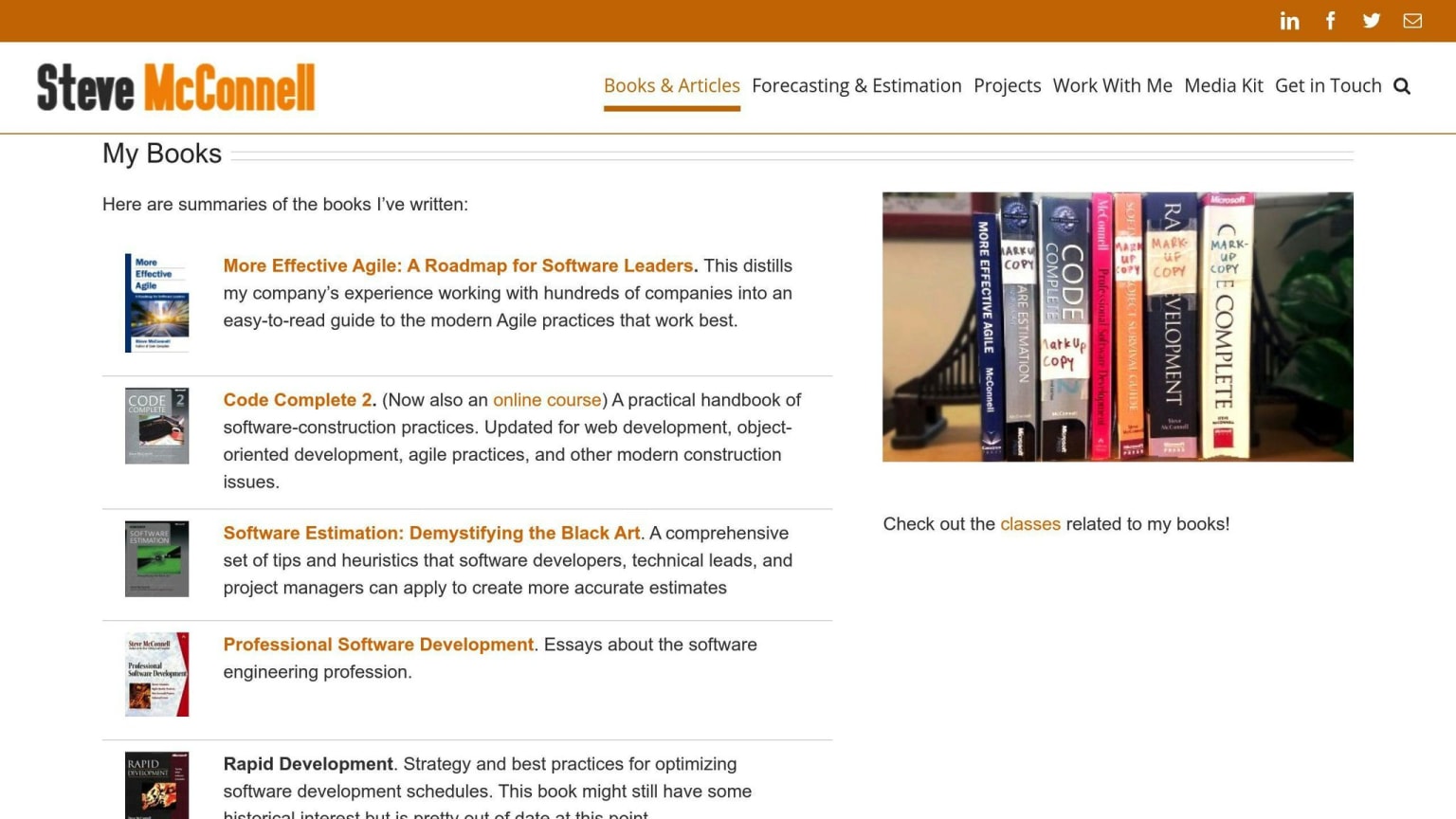
"Code Complete" dives deep into software construction, offering practical advice on writing high-quality code. Key takeaways:
- Focus on reducing complexity
- Write code for people, not just computers
- Use problem domain programming
- Take an iterative approach to development
"Improving quality is the best way to ship faster."
The book emphasizes that managing complexity is crucial in software development.
5. Refactoring: Improving the Design of Existing Code
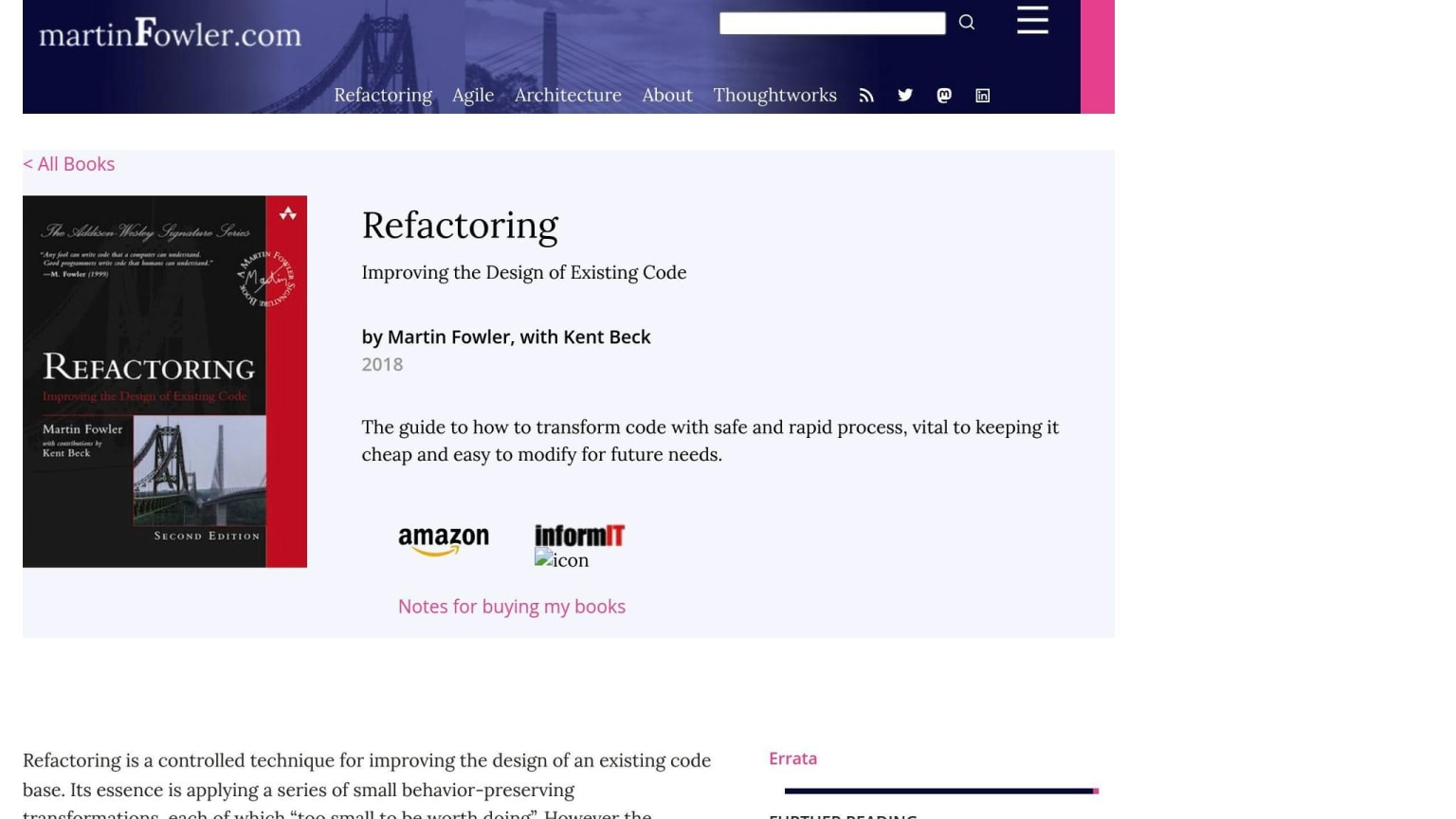
This book teaches you how to improve code structure without changing its behavior. Key concepts:
- Identify "code smells" that indicate need for refactoring
- Use techniques like Extract Method and Rename Variables
- Make small, incremental changes
- Maintain a solid testing strategy
"Refactoring should be part of your daily programming routine, not a scheduled task."
The book's principles remain relevant in 2024 for maintaining and updating codebases.
6. Introduction to Algorithms
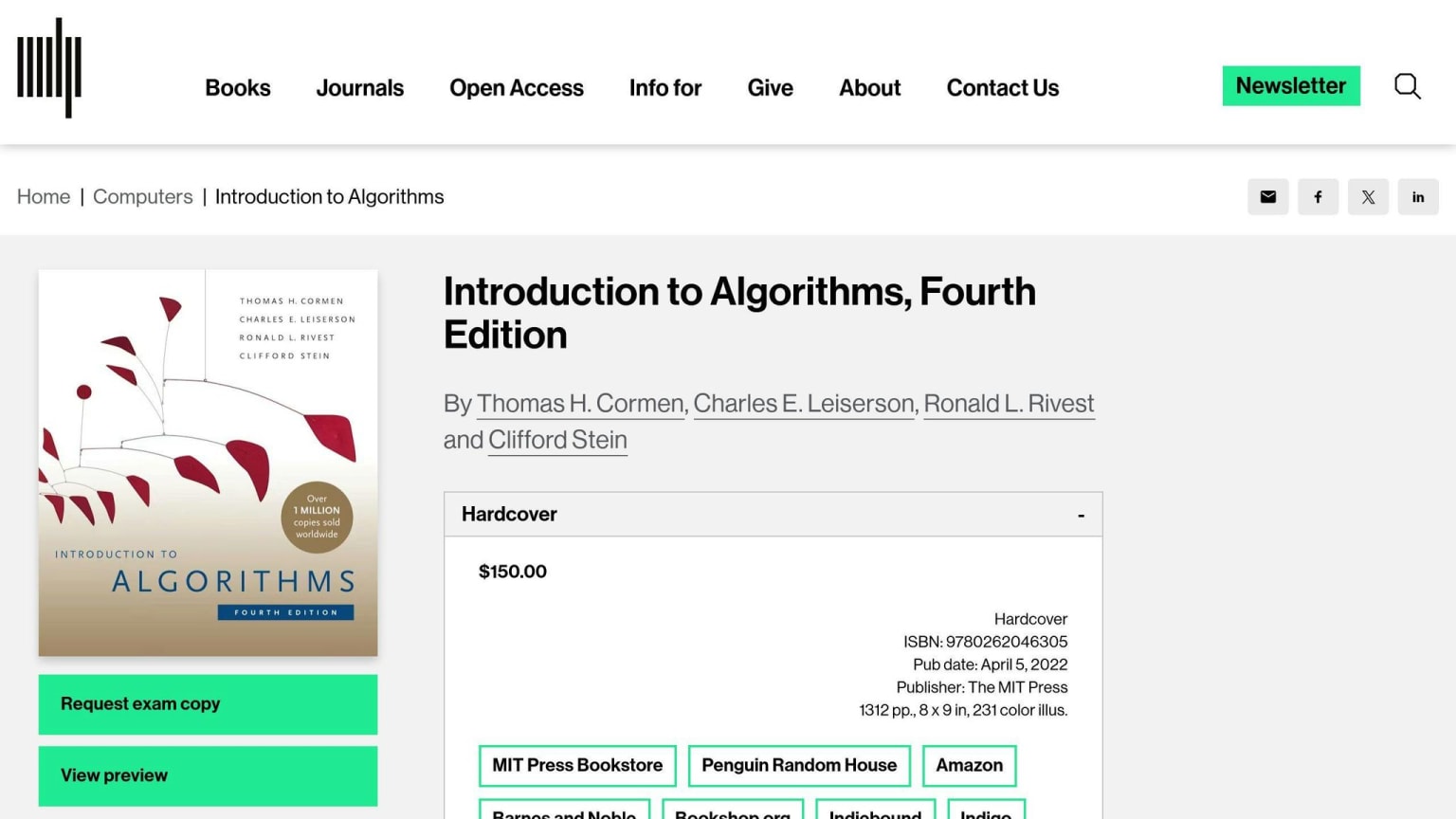
This comprehensive book covers algorithms and data structures in depth. It's known for:
- Covering basic to advanced topics
- Language-agnostic pseudocode
- Self-contained chapters for focused learning
While theory-heavy, it's crucial for understanding how to write efficient code. Remember to combine it with practical coding exercises.
7. The Clean Coder: A Code of Conduct for Professional Programmers
This book focuses on the professional aspects of programming beyond technical skills. Key points:
- Take personal responsibility
- Manage your time effectively
- Communicate clearly, including saying "no" when needed
- Continuously improve your skills
"TEST YOUR CODE, DUDE!"
The book emphasizes that being a good coder is about more than just writing good code.
8. Domain-Driven Design: Tackling Complexity in the Heart of Software
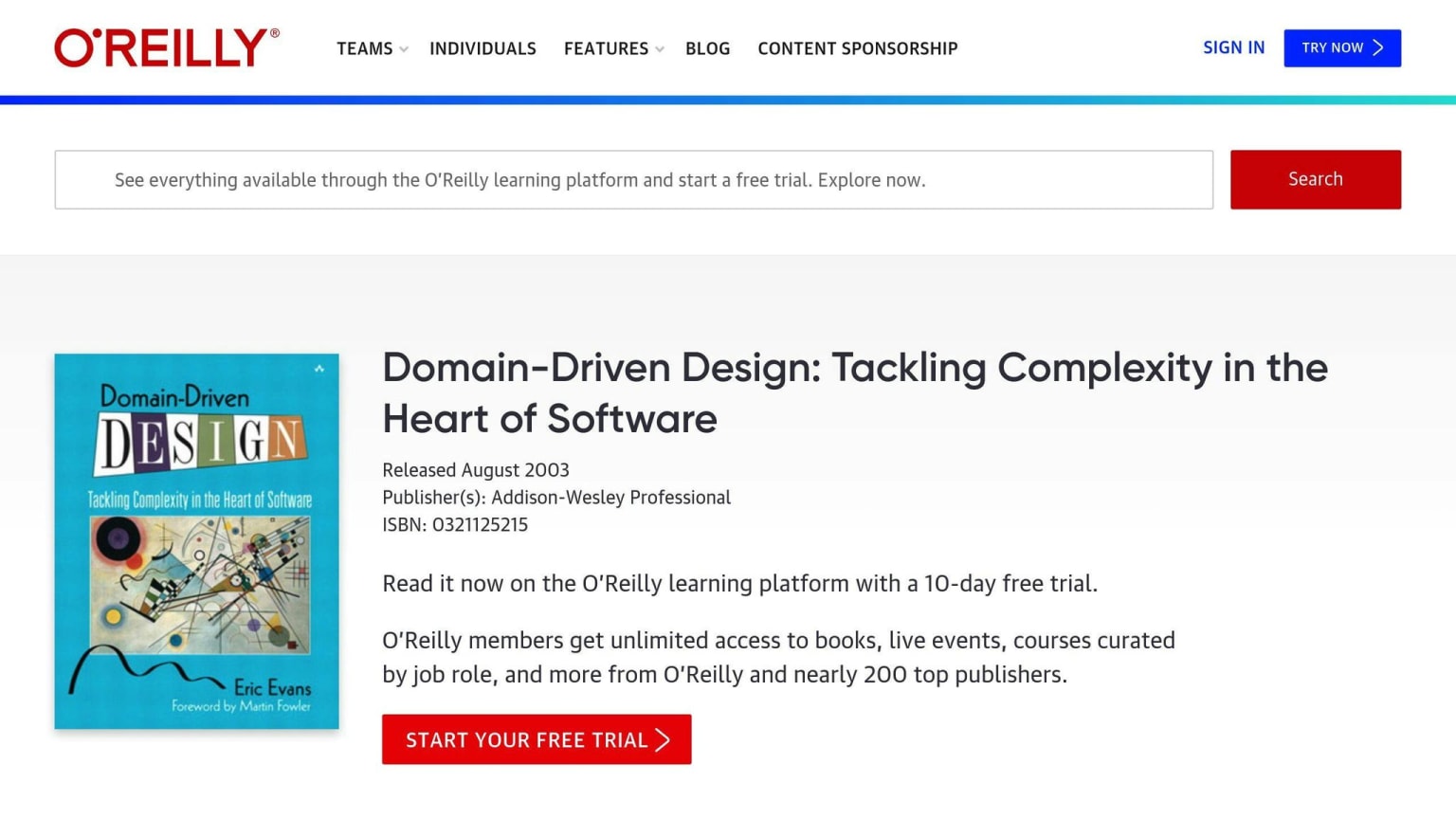
This book offers an approach to managing complexity in software projects. Key concepts:
- Align software with business needs
- Use a shared "ubiquitous language" between tech and business teams
- Define clear boundaries for models
DDD is particularly useful for complex domains with intricate business logic.
9. Continuous Delivery: Reliable Software Releases through Build, Test, and Deployment Automation
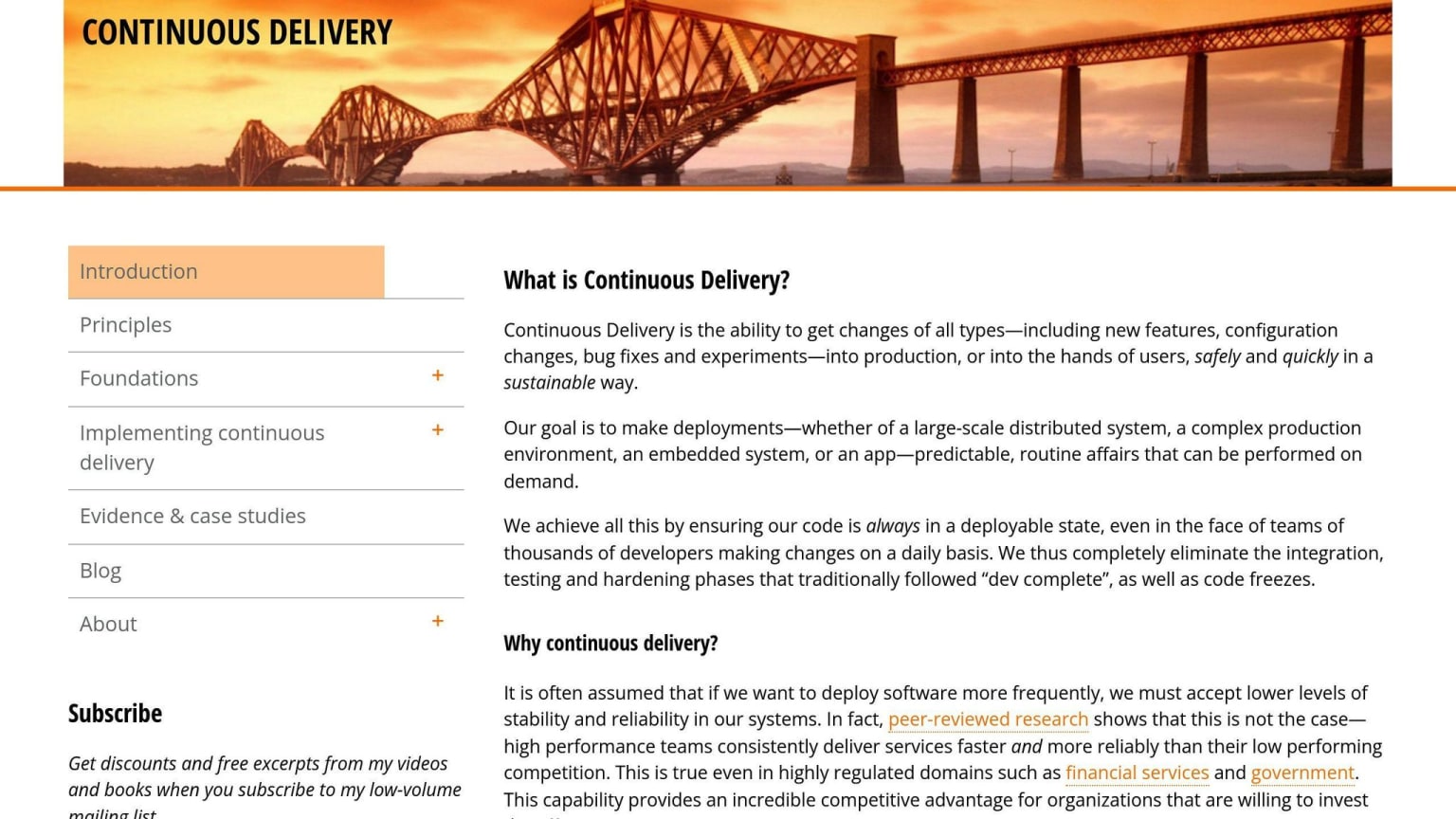
This book introduces practices for speeding up release cycles while boosting reliability. Key points:
- Automate everything from builds to deployments
- Use version control for all project elements
- Build quality in with automated testing at every stage
- Create a repeatable, reliable release process
"If it hurts, do it more frequently, and bring the pain forward."
The book provides a roadmap to faster, more reliable software releases.
10. Building Microservices: Designing Fine-Grained Systems
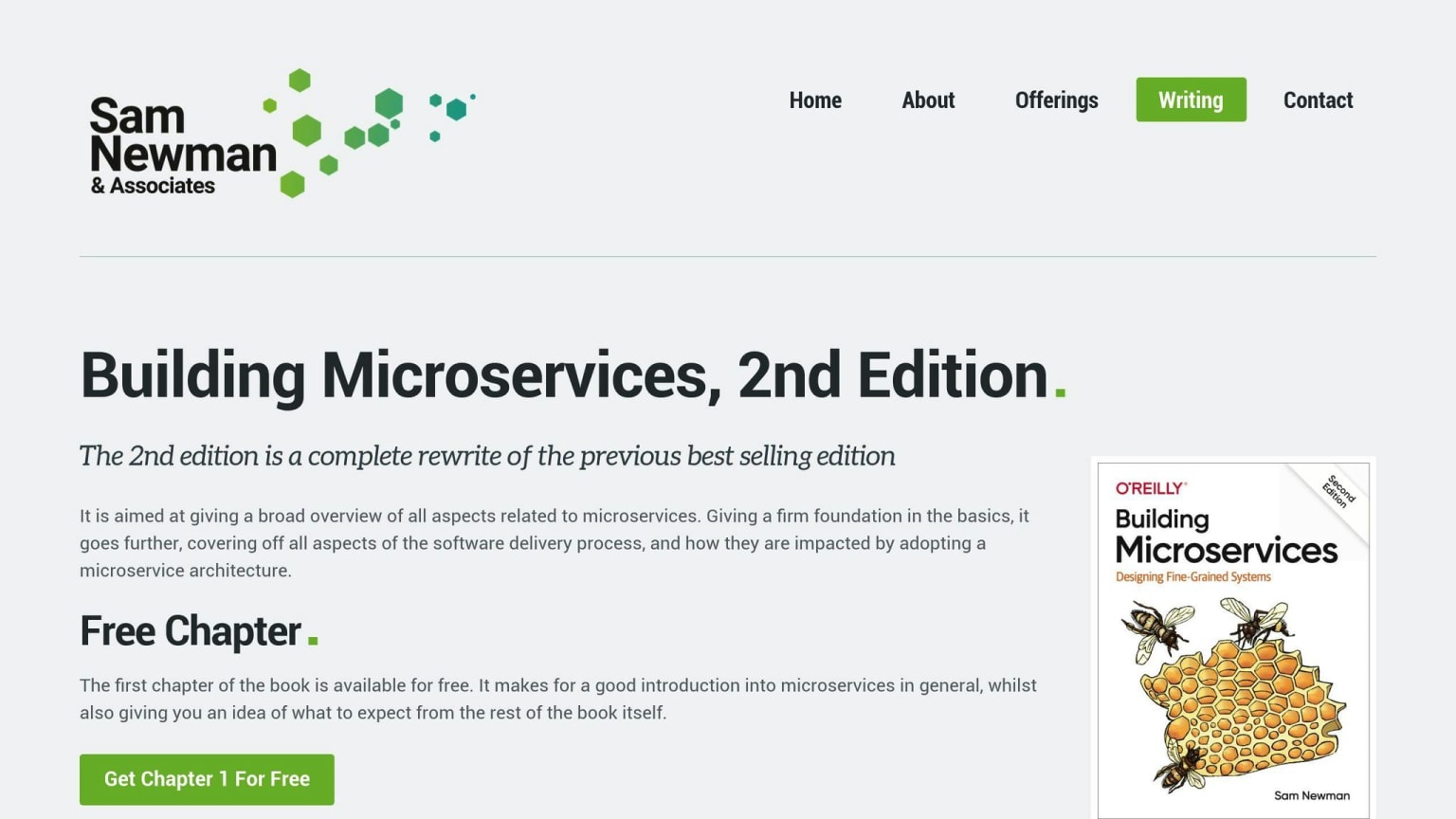
⚠️ This entry describes the first edition of 'Building Microservices.' The second edition (2021) substantially updates the deployment and security chapters to reflect Kubernetes-native patterns, service mesh (Istio, Linkerd), and more current guidance on team structures. If you're starting fresh, pick up the second edition rather than the one quoted here.
This book breaks down the microservices architecture approach. Key areas:
- Foundation concepts like modeling and communication
- Implementation details including deployment and security
- The human side of microservices adoption
It offers practical advice for real-world scenarios and common challenges in microservices implementation.
11. Designing Data-Intensive Applications
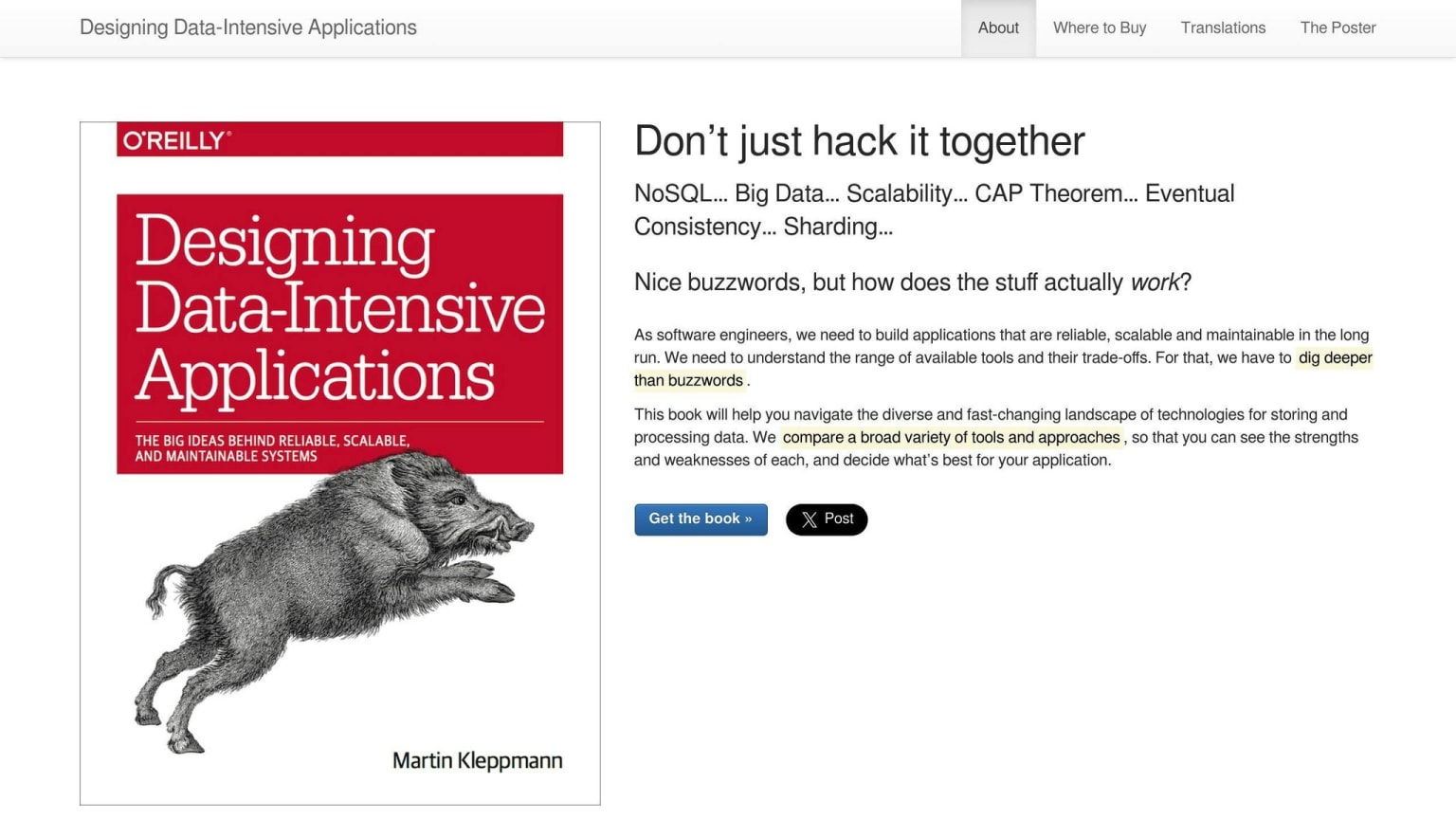
This book dives deep into large-scale data systems. It covers:
- Data models and storage engines
- Distributed systems concepts
- Consistency models
- Batch and stream processing
It's particularly valuable for those working on or interviewing for big data engineering roles.
12. Cracking the Coding Interview
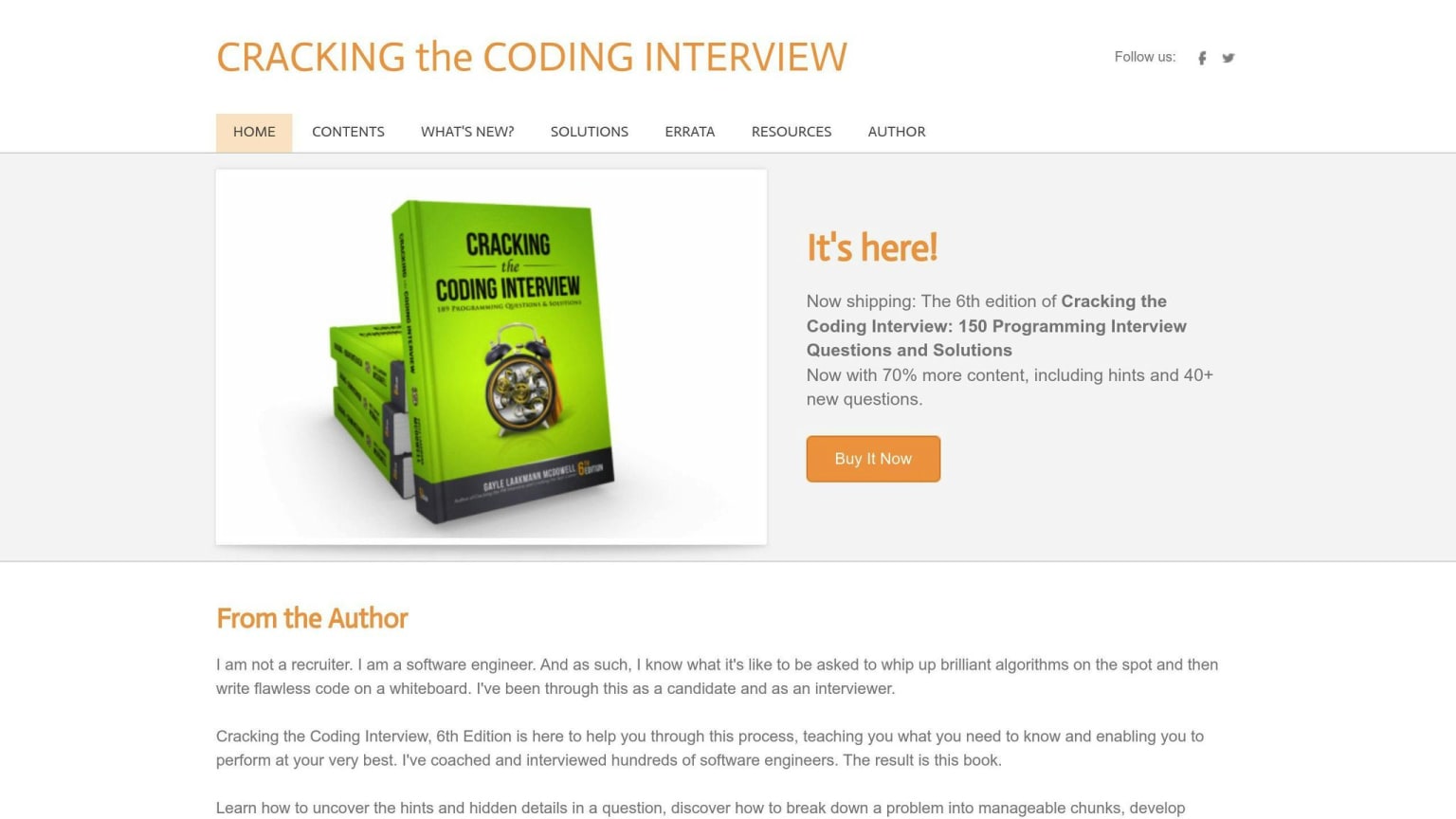
This book is essential for technical job interview preparation. It offers:
- 189 programming questions with detailed solutions
- Strategies for tackling algorithm questions
- Resume tips and behavioral interview prep
While comprehensive, it's important to supplement with real coding practice.
Remember, reading these books is just the first step. The real value comes from applying what you learn to your daily work. Start with the book that aligns best with your current goals or challenges.
What to read if you're navigating AI-assisted development in 2026
None of the 12 books above were written with AI pair programming in mind, but several translate directly. The Pragmatic Programmer's 'tracer bullets' and investment mindset apply cleanly to prompt engineering discipline. Clean Code's argument for human-readable code matters more when you're reviewing AI-generated output rather than writing from scratch. If you want something written for the current moment, A Philosophy of Software Design (John Ousterhout) and Software Engineering at Google (available free online) fill the gap that none of the classics fully address: how to maintain quality when output volume is no longer the constraint.